Hey there, fellow TOEFL warriors! With the test landscape constantly evolving and competition heating up, mastering the Reading section has never been more crucial.
I’ve noticed so many test-takers struggle with pacing and comprehension, which can really drag down scores. That’s why diving into smart, time-saving strategies can make all the difference—not just boosting your score, but also easing the stress on test day.
Stick around as we unpack practical tips that helped me improve my reading speed and accuracy, turning a daunting section into a manageable challenge.
Ready to level up your TOEFL game? Let’s get started!
Unlocking the Secrets to Efficient Reading
Identifying Key Information Without Getting Lost
When tackling a TOEFL reading passage, it’s tempting to try to absorb every single word. But honestly, that’s a surefire way to run out of time. What I found most effective was training my eyes to hunt for keywords, dates, names, and transitions—basically the skeleton of the passage.
This doesn’t mean skimming mindlessly; instead, focus on understanding the gist of each paragraph by zeroing in on topic sentences and signal words like “however,” “moreover,” and “in contrast.” These clues guide you through the author’s argument and help you predict what’s coming next, which speeds up comprehension significantly.
Balancing Speed with Comprehension
I used to think reading faster meant sacrificing understanding, but that’s not the case if you practice the right techniques. One trick is chunking—grouping words into meaningful phrases instead of reading word-by-word.
It takes some training but once you get the hang of it, your brain processes information faster and you retain more. Also, don’t hesitate to pause briefly to mentally summarize what you’ve read every couple of paragraphs.
This habit helped me stay engaged and avoid that dreaded “foggy” feeling where everything blurs together.
Strategic Use of Annotations and Notes
Taking quick notes or underlining key points can be a lifesaver, especially when you revisit the passage for answering questions. But be careful not to overdo it; too much scribbling slows you down.
Instead, I recommend marking only the most crucial ideas or confusing parts that might need a second look. Using simple symbols like stars for main ideas or question marks for unclear sections made it easier to navigate later.
This way, your annotations act like a personal map guiding you straight to the answers.
Mastering Question Types for Targeted Answers
Decoding Detail and Fact Questions
Detail questions often trip people up because they look for very specific information buried in the text. My approach was to pinpoint the relevant paragraph first, then scan for the exact phrase or sentence that matches the question.
It’s tempting to rely on memory, but verifying with the text is essential to avoid careless mistakes. I also learned to watch out for paraphrasing—TOEFL rarely uses the exact wording from the passage in questions, so keeping an eye out for synonyms or rephrased ideas was key.
Handling Inference and Author’s Purpose Questions
These questions require reading between the lines, which can be tricky under time pressure. I found it helpful to remind myself to consider the author’s tone and the broader context of the passage.
Asking, “Why did the author include this information?” or “What is the underlying message here?” helped me make educated guesses grounded in the text.
When in doubt, I focused on eliminating obviously wrong choices based on logic and evidence, which improved my accuracy.
Approaching Vocabulary in Context
Vocabulary questions aren’t just about knowing definitions; they test your ability to understand word meaning based on how it’s used. I practiced by highlighting unfamiliar words and guessing their meaning from surrounding sentences before checking a dictionary.
This method sharpened my contextual skills and saved time during the test since I rarely wasted time second-guessing meanings. Also, learning common TOEFL vocabulary ahead of time made a huge difference in confidence and speed.
Managing Your Time Like a Pro
Allocating Time per Passage and Question
One of the biggest game-changers for me was setting strict time limits per passage and sticking to them no matter what. For example, I aimed to spend about 17 minutes reading and answering questions for each passage.
That might sound tight, but practicing with a timer helped me get used to the pace. If I found myself stuck on a question, I’d flag it and move on, returning only if time allowed.
This prevented me from burning precious minutes on a single tricky question and ensured I covered the entire section.
Effective Skimming vs. Deep Reading
Knowing when to skim and when to dive deep is crucial. I usually skimmed the passage first to get a general idea, then read key paragraphs more thoroughly when answering related questions.
This two-step approach balances speed and detail. It also helped reduce anxiety because I wasn’t trying to understand everything at once. Over time, I realized that it’s perfectly fine to skip some minor details on the first pass and come back later if needed.
Using Practice Tests to Build Stamina
The TOEFL reading section can feel like a marathon rather than a sprint, so building mental stamina is essential. I incorporated full-length practice tests into my study routine to simulate test-day conditions.
This helped me identify when my focus dropped and what times of day I performed best. Plus, the more familiar you get with the test format and pacing, the less overwhelming it feels on the actual day.
Realizing you can handle the pressure is a huge confidence booster.
Smart Note-Taking Techniques to Enhance Retention
Creating Visual Summaries
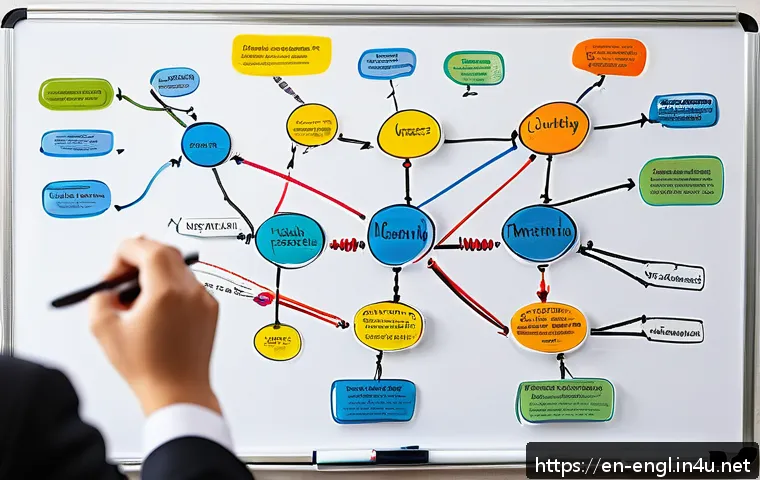
I found that transforming dense text into simple charts or mind maps during practice sessions helped me retain information better. Visualizing connections between ideas made recalling details much easier under timed conditions.
For instance, mapping out cause-effect relationships or contrasting viewpoints on paper gave me a clearer picture of the passage’s flow and structure.
This method isn’t about writing full sentences but distilling content into digestible chunks.
Developing a Personal Code for Annotations
Using a consistent set of symbols and abbreviations to mark passages saved me time and mental energy. For example, “?” for confusing parts, “!” for surprising facts, or “→” for cause-effect relationships.
This shorthand allowed me to quickly scan my notes and find relevant sections without rereading everything. Over time, this system became second nature and reduced the mental load during both practice and the actual test.
Reviewing Notes to Reinforce Learning

After each practice session, I made it a habit to review my notes and annotations. This reflection helped me identify patterns in the types of questions I missed or sections I struggled to understand.
It also gave me a chance to adjust my strategies and focus on weak areas. Reviewing notes shortly after practice solidified the information in my memory, making it easier to recall on test day.
Essential Vocabulary Strategies for the TOEFL Reading
Building a Targeted Word Bank
Instead of trying to memorize endless vocabulary lists, I focused on compiling words that frequently appeared in TOEFL readings or that I personally found challenging.
Creating a digital or physical flashcard set helped me review efficiently. I included definitions, synonyms, and example sentences to deepen understanding.
This personalized approach made learning less overwhelming and more relevant to the test content.
Contextual Guessing Skills
Practicing how to infer word meanings from context was a game-changer. I trained myself to look for clues like surrounding adjectives, verbs, or the overall tone of the passage.
Sometimes, the meaning is hinted at by contrasting ideas or explanations nearby. This skill reduced my reliance on memorization and made me more adaptable to unfamiliar words during the test.
Regular Exposure Through Reading Variety
Diversifying reading materials beyond TOEFL practice passages helped me encounter vocabulary in different contexts. Articles on science, history, and social issues from reliable online sources expanded my familiarity with academic language.
I noticed that this variety not only improved my vocabulary but also made passages feel less intimidating. Plus, it boosted my overall reading stamina and interest.
Decoding Complex Sentences with Confidence
Breaking Down Sentence Structure
Long, complex sentences can be intimidating, but breaking them into smaller parts makes them manageable. I practiced identifying the main subject and verb first, then looked for modifying phrases or clauses.
This step-by-step approach clarified the core meaning without getting overwhelmed by extra details. Over time, I became faster at untangling tricky sentences, which boosted my overall comprehension speed.
Spotting Transition and Signal Words
Transition words like “although,” “despite,” “therefore,” and “meanwhile” are crucial signposts in academic texts. They reveal relationships between ideas—contrast, cause-effect, addition—that shape the author’s argument.
Paying close attention to these words helped me anticipate what to expect next and understand the logic of the passage better. It also guided me in answering inference and purpose questions more accurately.
Practicing with Sentence Paraphrasing
Paraphrasing complex sentences in my own words during practice sessions helped deepen my understanding. This active engagement forced me to process meaning fully rather than skim superficially.
I found that explaining a sentence aloud or writing a simpler version clarified confusing parts and highlighted nuances I might have missed. This habit translated into quicker and more confident reading on test day.
How to Avoid Common Pitfalls and Maximize Accuracy
Beware of Trap Answers
TOEFL questions often include tempting but incorrect choices that twist details or exaggerate points. I learned to slow down when reviewing answer options and cross-check them carefully with the passage.
Eliminating obviously wrong answers first increased my chances of selecting the right one. When stuck between two options, I went back to the text to find direct evidence rather than relying on memory or guesswork.
Maintaining Focus and Managing Stress
It’s easy to get frazzled during the reading section, especially if time feels tight. I used breathing techniques and brief mental breaks to reset my focus when needed.
Reminding myself that I could always skip and return to difficult questions helped reduce pressure. Staying calm not only improved accuracy but also made the entire test experience less exhausting.
Regularly Reflecting on Mistakes
After every practice test, I spent time analyzing my wrong answers to understand why I missed them. Was it a misread detail, a vocabulary gap, or rushing too much?
This reflection was invaluable for refining my approach. Instead of feeling discouraged, I treated mistakes as learning opportunities that brought me closer to my target score.
| Strategy | Benefit | My Personal Tip |
|---|---|---|
| Keyword Scanning | Speeds up locating important info | Focus on signal words and names first |
| Chunking Text | Improves reading speed and retention | Practice grouping phrases during daily reading |
| Annotation System | Quick navigation during question answering | Use simple symbols like * and ? only |
| Timed Practice | Builds pacing and stamina | Stick strictly to your time limits |
| Contextual Vocabulary | Enhances understanding of new words | Guess meaning before checking dictionary |
| Sentence Breakdown | Clarifies complex ideas | Identify subject and verb first |
In Conclusion
Mastering efficient reading strategies is key to conquering the TOEFL reading section with confidence. By focusing on essential information, managing your time wisely, and practicing targeted techniques, you can enhance both speed and comprehension. Remember, consistent practice and reflection are your best allies on this journey. With these tools, achieving your desired score becomes a realistic and achievable goal.
Helpful Tips to Keep in Mind
1. Prioritize understanding the main ideas by focusing on topic sentences and transition words rather than every single detail.
2. Use chunking to read groups of words together, which boosts your reading speed and retention.
3. Develop a simple annotation system with symbols to quickly mark important or confusing parts for easy review.
4. Set strict time limits for each passage and question to avoid getting stuck and to build pacing skills.
5. Practice guessing vocabulary meanings from context before checking definitions to improve your inference skills.
Key Takeaways
Efficient reading is about balance—combining speed with comprehension through strategic scanning and focused note-taking. Familiarity with question types and consistent timed practice help build stamina and confidence. Avoid common pitfalls by carefully evaluating answer choices and managing stress during the test. Ultimately, personalized strategies and ongoing reflection will maximize your accuracy and performance on test day.
Frequently Asked Questions (FAQ) 📖
Q: uestionsQ1: How can I improve my reading speed without sacrificing comprehension on the TOEFL Reading section?
A: Improving reading speed while maintaining comprehension is all about practice and strategy. Start by skimming passages to get the main idea before diving into details.
Practice identifying keywords and topic sentences quickly. Time yourself regularly to build a natural pace, but always review your answers to ensure understanding.
Personally, I found that summarizing paragraphs in my own words helped solidify comprehension without slowing me down. Also, avoid subvocalization—try to read chunks of words rather than word-by-word.
Over time, these techniques make a huge difference in balancing speed and accuracy.
Q: What are the most effective ways to manage time during the TOEFL Reading section?
A: Time management is crucial because the Reading section can feel overwhelming with multiple passages and questions. A good approach is to allocate roughly 20 minutes per passage and its questions, leaving a few minutes at the end to review.
Prioritize questions you find easier first to secure quick points, then return to tougher ones. Using process of elimination on multiple-choice questions can save valuable seconds.
When I practiced under timed conditions, I noticed that breaking down the reading and question answering into smaller, timed chunks helped me stay on track without panicking.
Q: What strategies can help reduce stress and improve focus during the TOEFL Reading test?
A: Stress can definitely impact performance, but a few simple strategies can help you stay calm and focused. Before the test, practice deep breathing exercises to relax.
During the test, try to maintain a steady pace without rushing, and take brief mental breaks between passages. Familiarizing yourself with the test format through consistent practice also reduces anxiety because you know what to expect.
In my experience, listening to calming music before the exam and doing light stretching helped me enter the test with a clear mind, which made concentrating on dense reading passages easier.